How to Unclog a Drain (and When to Stop Trying)
5 min read
Short answer
For a single slow fixture, a plunger followed by a hand-turned drain snake clears most simple clogs and is worth one or two attempts. Stop and call a plumber when the clog returns quickly, sits too deep to reach, or a second fixture starts backing up at the same time — that pattern means the main line, and no amount of plunging will fix it. Avoid chemical drain cleaners, which can damage older pipes and are unsafe to leave sitting in a line before a plumber arrives.
Plenty of clogs are genuinely a DIY job, and we would rather tell you that than charge you for fifteen minutes with a plunger. The useful skill is knowing which ones are not.
What Actually Works
In the order worth trying:
- A proper plunger with a good seal — most simple sink and toilet clogs stop here
- A hand-turned drain snake from a hardware store, for anything past the trap
- Removing and cleaning the P-trap under a sink, if you are comfortable doing it
- Hot (not boiling) water afterwards, to flush loosened residue through
What Mostly Does Not Work
Baking soda and vinegar produces an impressive fizz and very little else. It can loosen light residue and help with odor, which makes it reasonable maintenance, but it rarely clears a real blockage. The genuine harm is that it delays the call while a partial clog becomes a full one.
Chemical drain cleaners are stronger but carry real costs. They can corrode older pipe, they are ineffective against roots, and they create a genuine hazard for whoever opens that line next — the chemicals can splash back. If you have already used one, tell your plumber when you call so they can take precautions.
Boiling water is a mixed case. It helps soften light grease in metal pipes, but it can warp or crack PVC, which is what most modern homes use. Hot tap water is the safer version of the same idea.
The Signs That Mean Stop
Any one of these means the problem is beyond a plunger, and further DIY attempts risk making it worse:
- More than one fixture backing up at the same time
- A toilet that gurgles when the washing machine or another drain runs
- The same drain clogging again within days or weeks of clearing it
- Sewage smell coming from the drain or from outside near the line
- Water backing up into a floor drain, basement, or crawl space
What a Professional Does Differently
The difference is diagnosis rather than force. A licensed plumber works out what is causing the blockage — grease, roots, scale, or a broken section of pipe — before choosing between a motorized auger and hydro-jetting.
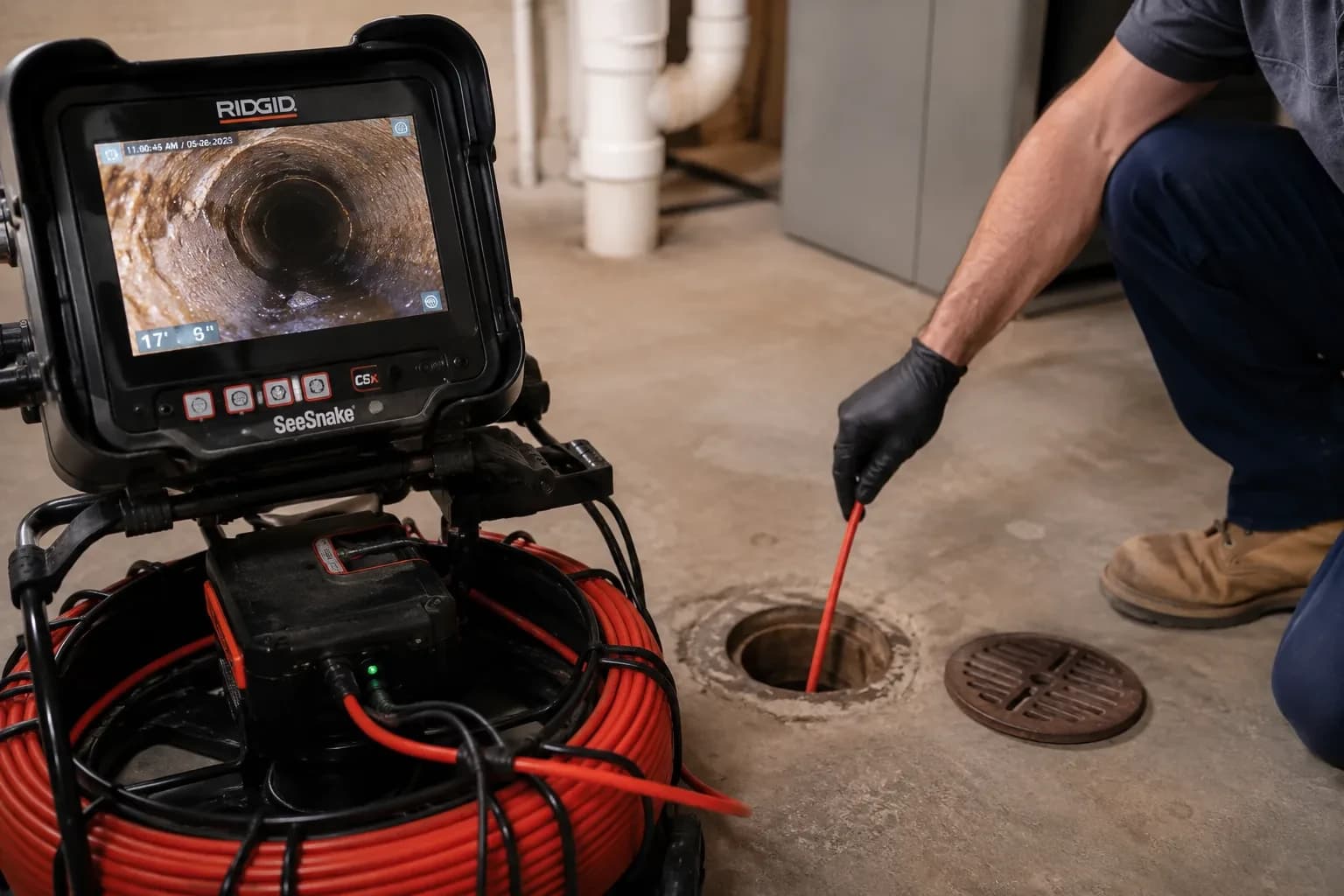
Where a clog keeps returning, a camera inspection shows what is actually down there. That is what stops you paying to clear the same blockage three times in a year without ever addressing why it forms.
Frequently Asked Questions
- Do plumbers recommend baking soda and vinegar?
- Most treat it as mild maintenance rather than a clog remedy. It will not replace mechanical snaking or hydro-jetting on a real blockage.
- What is the strongest thing to unclog a drain?
- For a genuine clog, mechanical tools — a plumber's auger or a hydro-jetter — outperform any consumer chemical or home remedy.
- Does Dawn dish soap unclog drains?
- It can help lubricate and break down light grease, which sometimes frees a minor kitchen clog. It does nothing against solid blockages or root intrusion in a main line.
Keep reading
- How Much Does Drain Cleaning Cost in Alpharetta, GA?Drain cleaning in Alpharetta is priced by the job, not by the hour, and the single biggest factor is whether one fixture is blocked or the main sewer line is.
- How to Find a Licensed Plumber in Alpharetta, GAGeorgia requires plumbers to hold a state licence issued through the Construction Industry Licensing Board.